
CPCAB vs Other Counselling Qualifications: Which Route is Right for You?
If you're considering a career in counselling, one of the first questions you'll encounter is: Which qualification should I choose?
With a variety of counselling courses available in the UK, it can be difficult to understand the differences between them. You may have come across CPCAB qualifications, university degrees, online counselling courses, and a range of private training providers, all claiming to help you become a counsellor.
So how do you know which route is right for you?
At South West School of Counselling, we believe that making an informed choice is one of the most important steps in your counselling journey.
What is CPCAB?
Counselling and Psychotherapy Central Awarding Body (CPCAB) is the UK's leading specialist awarding body for counselling and psychotherapy qualifications.
Unlike general awarding organisations, CPCAB focuses exclusively on counselling and psychotherapy training. Its qualifications are designed specifically to develop the knowledge, skills, personal awareness, and professional standards required to work safely and effectively with clients.
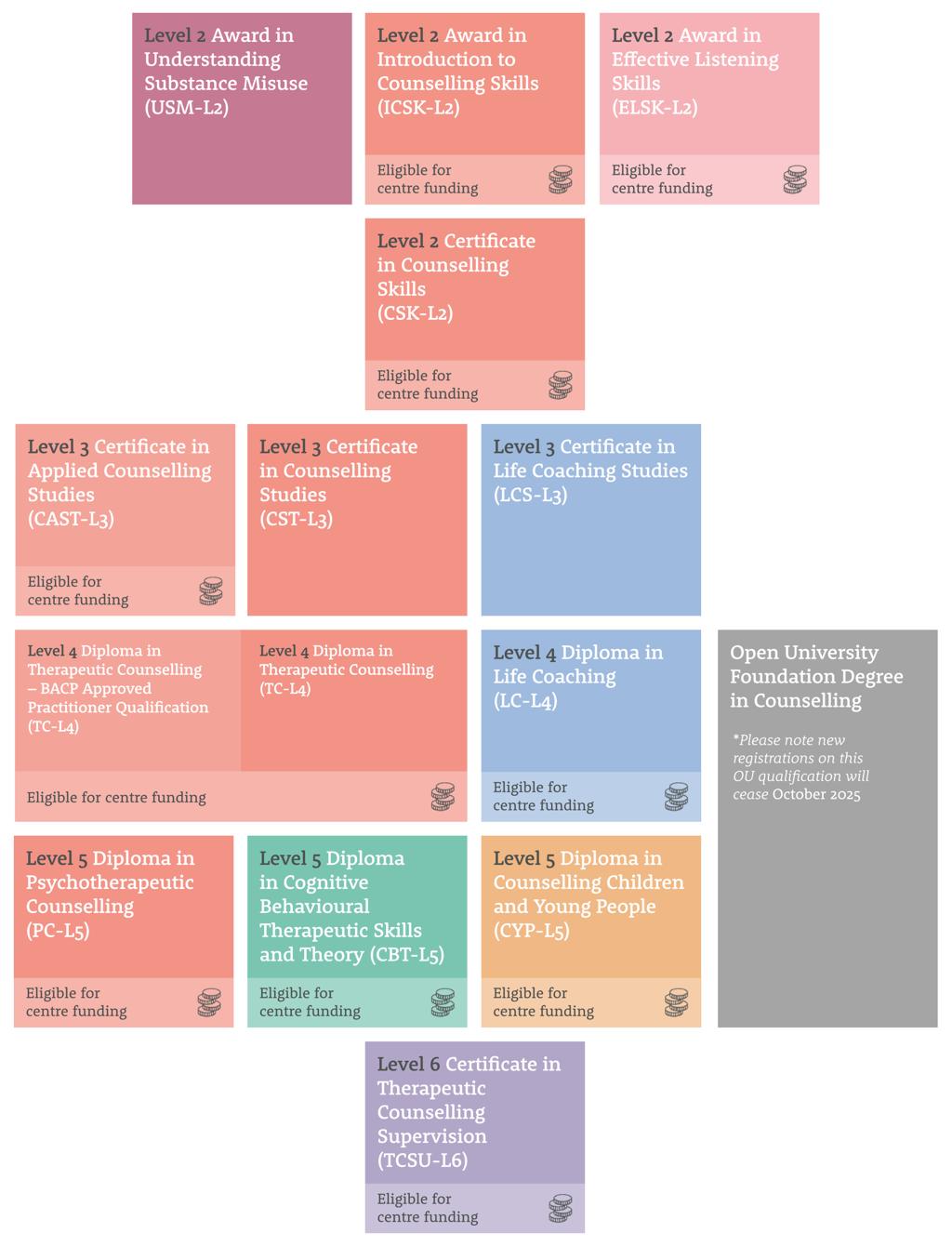
The CPCAB pathway typically follows a structured progression:
- Level 2 Certificate in Counselling Skills
- Level 3 Certificate in Counselling Studies
- Level 4 Diploma in Therapeutic Counselling
- Level 5 and specialist qualifications
This creates a clear and recognised route from beginner to qualified practitioner.
How Does CPCAB Compare to Other Counselling Qualifications?
University Degrees
Many universities offer counselling-related degrees, including:
- Counselling Studies
- Psychology with Counselling
- Counselling and Psychotherapy
While these programmes often provide strong academic knowledge, not all of them qualify graduates to practise as counsellors.
A degree may teach theory, research, and psychological concepts, but it may not include the practical training hours, personal development work, and supervised client practice needed to become a practising counsellor.
Before enrolling, it's important to check whether a course leads directly to professional practice.
Online Counselling Courses
There are many online counselling courses available, often advertised as fast, flexible, and affordable.
These can be excellent for:
- Personal interest
- Professional development
- Introduction to counselling concepts
However, many are not recognised counselling qualifications and do not provide a route to becoming a qualified counsellor.
Completing a short online course does not usually meet the training requirements expected by professional counselling organisations.
Private Training Providers
Some private providers deliver excellent counselling training, while others offer programmes with limited professional recognition.
The key question is not who delivers the course, but what qualification is being awarded.
Many respected training providers choose CPCAB qualifications because they provide a nationally recognised framework and clear progression route.
Why Professional Recognition Matters
When choosing counselling training, it's important to think beyond the classroom.
Most aspiring counsellors want to:
- Work in agencies
- Gain professional membership
- Build private practices
- Apply for counselling roles
- Continue their professional development
Professional organisations such as British Association for Counselling and Psychotherapy and National Counselling and Psychotherapy Society expect practitioners to have completed recognised training that meets established standards.
Choosing a recognised qualification can make future progression significantly smoother.
The Strengths of the CPCAB Pathway
Many students choose CPCAB because it combines:
Practical Skills
Students don't just learn about counselling, they practise counselling skills from the very beginning.
Personal Development
CPCAB places strong emphasis on self-awareness and reflective practice.
Students are encouraged to explore their own experiences, values, and assumptions, helping them become more effective practitioners.
Professional Standards
Ethics, boundaries, safeguarding, and professional conduct are embedded throughout the training.
Clear Progression
Students know exactly what comes next:
Level 2 → Level 3 → Level 4 → Practice
This structured approach helps learners build confidence at each stage.
Industry Recognition
Employers, agencies, placement providers, and professional bodies are familiar with CPCAB qualifications, making them widely respected throughout the sector.
Which Route Should You Choose?
The best qualification depends on your goals.
If your aim is to:
- Explore counselling as an interest
- Improve workplace communication skills
- Gain personal development
A short course may be enough.
If your aim is to:
- Become a qualified counsellor
- Work with clients professionally
- Progress towards professional membership
- Build a long-term counselling career
A recognised counselling pathway such as CPCAB is often the most direct and widely accepted route.
Final Thoughts
There are many ways to learn about counselling, but not all qualifications lead to professional practice.
Choosing the right training pathway can save time, money, and confusion later on. That's why many aspiring counsellors choose CPCAB qualifications—they provide a structured, recognised, and respected route into the profession.
At South West School of Counselling, we deliver CPCAB training because we believe it offers students the strongest foundation for developing counselling skills, professional confidence, and a rewarding future in counselling.
Whether you're taking your first step with Level 2 or planning your journey towards professional practice, choosing a recognised qualification is one of the best investments you can make in your future.