
Understanding Attachment: How Early Relationships Shape the Way We Connect
Why do some relationships feel safe and secure, while others leave us anxious, distant, or uncertain?
The answer often begins much earlier than we realise.
Attachment theory helps us understand how our early experiences and relationships can shape the way we connect with others throughout life. From childhood through to adulthood, attachment influences how we trust, communicate, manage emotions, and experience closeness.
At South West School of Counselling, understanding attachment is an important part of understanding people.
What is Attachment?
Attachment refers to the emotional bond we form with others, particularly in early childhood with caregivers or important adults.
When children consistently experience safety, comfort, and emotional responsiveness, they are more likely to develop secure attachment. When those needs are not consistently met, different attachment patterns can develop as ways of coping and adapting.
These early experiences can quietly shape how we relate to others later in life.
Different Attachment Styles
Attachment is not about “good” or “bad” parenting, it’s about patterns of connection and emotional experience.
Some common attachment styles include:
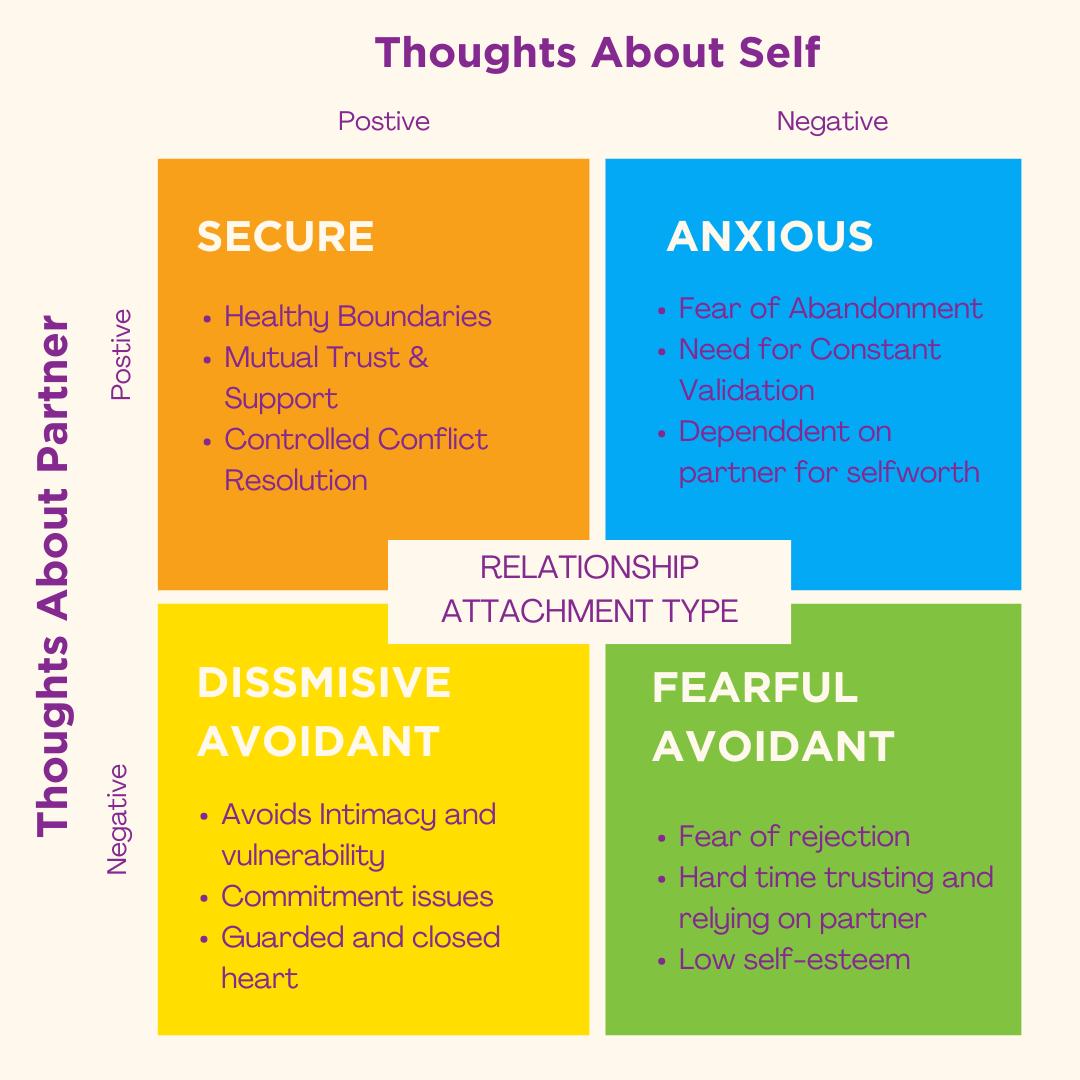
- Secure attachment – feeling comfortable with closeness, trust, and emotional connection
- Anxious attachment – fearing rejection or abandonment and needing reassurance
- Avoidant attachment – struggling with emotional closeness or dependence on others
- Disorganised attachment – experiencing confusion, fear, or inconsistency in relationships
Many people recognise aspects of themselves in more than one style.
How Attachment Affects Adult Relationships
Attachment patterns don’t disappear when childhood ends. They can influence:
- Romantic relationships
- Friendships
- Family dynamics
- Communication styles
- Emotional regulation
For example, someone with anxious attachment may overthink interactions or fear being left, while someone with avoidant attachment may pull away when relationships become emotionally close.
These patterns are often protective responses developed over time—not personality flaws.
Can Attachment Patterns Change?
Yes.
One of the most important things to understand about attachment is that it is not fixed forever. Through supportive relationships, self-awareness, and therapeutic work, people can begin to develop healthier and more secure ways of relating.
Counselling can help individuals:
- Understand where patterns come from
- Recognise emotional triggers
- Build healthier boundaries and communication
- Develop trust and emotional safety
Awareness is often the first step towards change.
Why Attachment Matters in Counselling Training
For counsellors, understanding attachment provides valuable insight into human behaviour and relationships.
It helps practitioners to:
- Understand relational dynamics more deeply
- Respond with empathy rather than judgment
- Recognise emotional needs and coping patterns
- Create safe therapeutic relationships
At South West School of Counselling, attachment theory supports students in developing both professional understanding and emotional awareness.
Final Thoughts
Attachment shapes far more than we often realise. It influences how we love, trust, communicate, and protect ourselves.
But attachment patterns are not life sentences, they are experiences that can be understood, explored, and reshaped over time.
At South West School of Counselling, we believe that greater understanding leads to greater compassion, for ourselves and for others.
Interested in learning more about counselling theories and human relationships? Explore our training programmes and begin your journey into understanding people more deeply.